What Not to Throw in Your Dumpster: A Must-Read Disposal Guide
Arranging a dumpster rental can seem easy, but following proper guidelines is vital for safety and smooth operations. People often do not realize the hazards of tossing prohibited items into a dumpster. Improper disposal can create risks for workers, harm the container, or lead to legal issues. cheap dumpsters near me The Woodlands TX Being aware of restricted items promotes safe and efficient dumpster use.
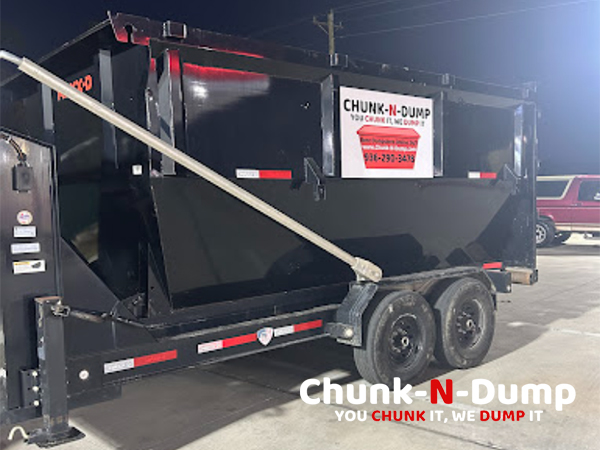
At Chunk-N-Dump, we offer dumpsters to make waste removal easy and secure. We focus on helping customers understand proper disposal procedures to avoid issues. By understanding the limitations of what can be placed in a dumpster, clients can enjoy a smoother cleanup process and avoid unnecessary complications. Proper disposal is not just about convenience; it is about protecting people, property, and the environment.
Dangerous Household Items You Should Not Dump
Certain household items pose significant risks if thrown into a dumpster. These include chemicals, paints, pesticides, and cleaning agents. They can ignite or contaminate surroundings if not disposed of safely. Disposing of these materials in dumpsters endangers both workers and the local area. Special disposal procedures are often required to ensure these materials are neutralized or recycled appropriately.
Items like batteries, fluorescent bulbs, and electronics also fall under hazardous waste. They may have toxic substances that need careful handling. Chunk-N-Dump recommends sorting these materials and taking them to proper facilities. Adhering to these rules ensures environmental safety and worker protection. This practice prevents unintended ecological or wildlife harm.
Electronic Devices and Major Appliances You Should Not Dump
Refrigerators, dryers, washers, and air conditioning units are not safe for regular dumpsters. These appliances often have oils, refrigerants, or other hazardous materials. Throwing them into a dumpster can also damage the container and create logistical challenges for waste management. Safe disposal usually requires specialized pick-up or recycling.
Devices such as electronics, computers, and monitors need special attention. Many contain toxic metals and chemicals unsuitable for regular disposal. We help clients determine which electronics need careful disposal. Separating electronics from general waste promotes legal compliance and environmental care. Planning ahead for electronic and appliance disposal can save both time and stress during a cleanup project.
Renovation Materials That Cannot Go in a Dumpster
Many construction materials are dumpster-friendly, but some require special handling. Items like asbestos, lead-based paint, and treated wood require specialized handling due to their toxic nature. Mixing these materials with regular waste can create health risks and violate local disposal laws. Contractors and homeowners must know these rules for safe renovations.
Large rubble, bricks, and concrete are problematic in standard containers. Overloading the container can lead to structural damage and create hazards during transport. Properly sorting and managing construction waste is crucial for safety. Following proper disposal and sorting procedures protects workers and property. Adhering to these guidelines helps avoid delays, accidents, and penalties.
Flammable and Explosive Materials
Flammable substances such as gasoline, propane tanks, and aerosol cans should never be placed in a dumpster. They are capable of igniting and creating major fire risks. Even seemingly small amounts of flammable liquids or compressed gases can pose a risk when combined with other waste. Understanding the risks and disposing of them properly is essential to prevent harm.
Fireworks, ammunition, and other explosive materials should never go in a dumpster. We recommend using designated facilities for handling explosive items. Excluding flammable and explosive waste helps maintain safe and lawful dumpster use. Educating everyone involved in a cleanup project about these risks is essential for maintaining a secure worksite and home environment.
Handling Medical and Biological Waste
Sharps, medications, and contaminated medical items cannot be thrown in dumpsters. Improper disposal of these materials can endanger both workers and the public. Medical waste must be managed by trained professionals and proper facilities.
Do not place animal-related biological waste into standard containers. We help clients separate biological materials from regular trash. Correct handling ensures safety and preserves the disposal process. Proper management limits disease spread and contamination in homes and businesses.
Industrial Waste and Regulated Chemicals
Certain chemicals and industrial by-products cannot be disposed of in standard dumpsters. Items such as solvents, acids, and other industrial liquids require specialized containment and disposal procedures. Failing to dispose of industrial chemicals properly creates environmental and legal problems. Understanding what qualifies as industrial waste is essential for any cleanup project.
Our team guides customers in recognizing regulated industrial waste. Excluding regulated industrial waste guarantees safety and compliance. Proper management of industrial waste protects the environment and promotes responsible waste disposal practices across all types of projects. Following these guidelines also allows construction, manufacturing, and home renovation projects to proceed without interruptions caused by improper disposal.
Organic and Yard Waste Considerations
Yard waste including tree limbs, clippings, and garden debris may be difficult to manage in dumpsters. While some green waste can be safely included, excessive or oversized organic material can make the dumpster difficult to handle and transport. Organic waste can attract insects or create smells if not handled properly.
We advise sorting big yard waste and using composting or special disposal methods. Proper preparation and sorting of yard waste help ensure that the dumpster remains manageable and safe. Properly managing organic waste helps maintain a tidy site and avoid project delays.
Safe and Responsible Dumpster Use
Understanding prohibited items is as important as knowing acceptable waste. Ignoring these guidelines can result in hazards, legal complications, and environmental harm. Clients who adhere to correct disposal methods help maintain a safe and organized cleanup. Our team is committed to providing clear guidance and support to help clients navigate these considerations.
By understanding the limits of dumpster use, separating hazardous and prohibited items, and following recommended disposal procedures, customers can maximize the benefits of their dumpster rental. We maintain reliable services and encourage safe disposal practices, ensuring efficient and eco-friendly cleanup. These practices help maintain project timelines and reduce complications from improper waste management.